Chicken Road: What It Costs to Cross and When to Cash Out
Two players open Chicken Road with £10. The first sets Easy mode, cashes out at 1.8×, and walks with £18. The second picks Hardcore, aims for 10×, gets hit on lane four, and loses the tenner. Same game, same starting stake — one controlled the risk, the other chased the ceiling. That gap is where Chicken Road lives.
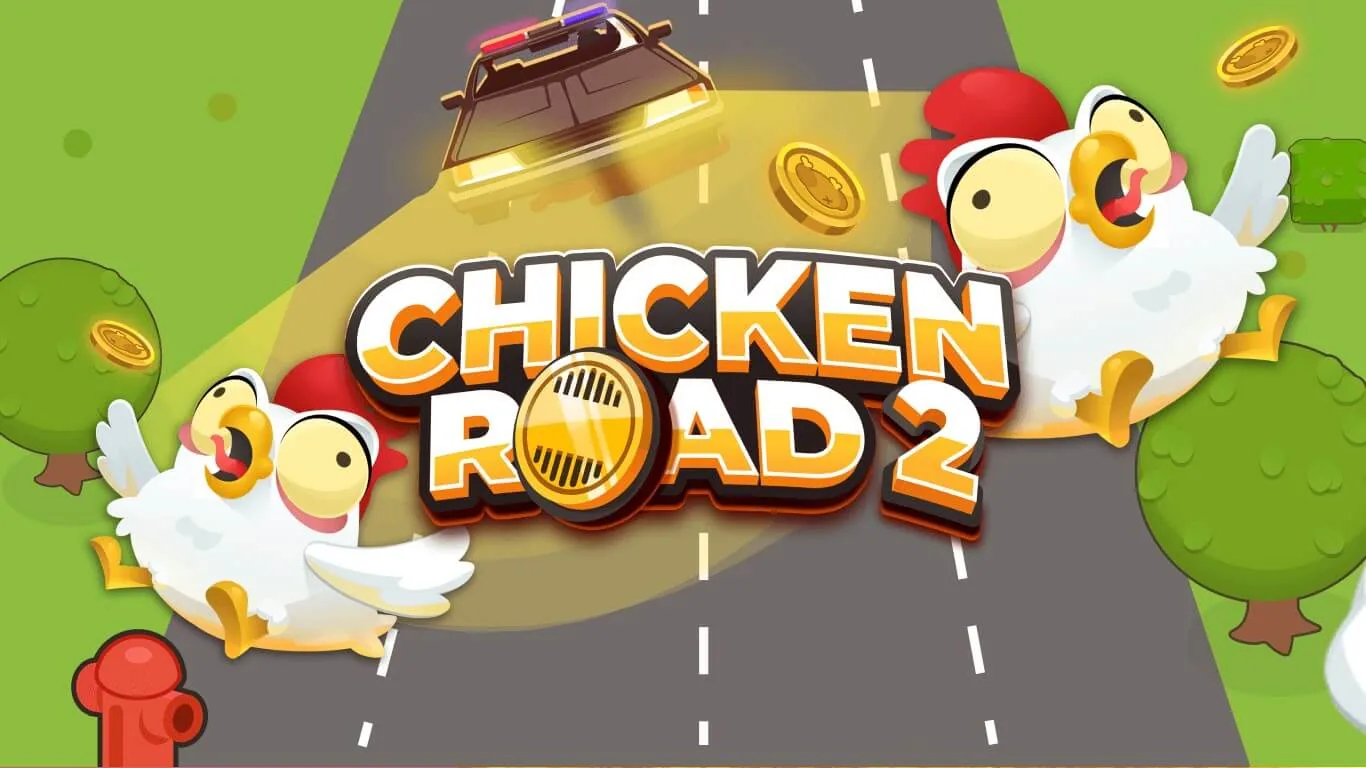
This isn't a slot with preset paylines. It's a crash game dressed as a road-crossing challenge: a chicken steps onto a multi-lane motorway, cars appear randomly, and every lane crossed lifts your multiplier. You decide when to stop and collect. Miss the timing or push too far, and the round ends with nothing. The maths is transparent, the pace is yours, but the house edge never leaves.
How a round works, from stake to payout
You place a bet — minimum £0.10, maximum £200 per round — and choose one of four difficulty modes. Easy gives you 30 lanes to cross with the lowest car frequency; Hardcore drops that to 18 lanes with cars appearing far more often. The chicken starts at the bottom of the screen. Each lane crossed adds to your multiplier, which updates in real time above the road.
Cars roll across lanes at random intervals. If the chicken reaches a lane while a car occupies it, the round ends and the stake is lost. You control when the chicken moves — tap to advance one lane, or enable auto-mode to step forward automatically after each safe crossing. The cash-out button sits in the corner; press it to collect your current multiplier. Wait too long, hit a car, and the multiplier resets to zero along with your stake.
The top multiplier you can reach depends on difficulty: Easy caps lower because you have more lanes and fewer cars; Hardcore pushes the ceiling higher but kills most attempts early. The maximum win across all modes is £20,000, so if you stake £200 and somehow reach 100×, the payout stops there. Most rounds end between 1.2× and 3× because that's where caution meets the rising car density.
What the four modes actually cost you in odds
Difficulty isn't cosmetic. It rewrites the probability of each lane being safe, which directly changes how often you can expect to survive long enough to reach a useful multiplier. Easy mode gives 30 lanes with the widest gaps between cars — you'll cross five or six lanes more often than not, cashing out around 1.5× to 2×. Medium trims that to 25 lanes and tightens the car spawn rate; you'll notice more near-misses and a steeper drop-off after lane ten.
Hard mode compresses the road to 22 lanes and spawns cars often enough that advancing past lane eight feels like threading a needle. Hardcore is 18 lanes of gridlock: cars fill the screen, and survival beyond lane five is uncommon. The multiplier ceiling rises to compensate, but the practical cost is that most rounds die before you've doubled your stake. If you're learning the rhythm, start with Easy and watch where cars cluster. Moving to Hardcore without that map is expensive.
Step-by-step: placing a bet and controlling the crossing
- Set your stake using the +/– buttons. The interface shows your balance in pounds; remember that UK sites cap stakes at £5 per spin for most players, and £2 if you're 18–24. Chicken Road usually respects those limits, but check the displayed maximum before you confirm.
- Select difficulty. The default is often Medium. Tap the mode selector to switch; the lane count and a vague risk label appear beside each option. No percentages, no RTP breakdown in-game — just «low risk» through to «extreme». You're flying blind unless you've tested each mode in demo first.
- Press Start or Bet to begin. The chicken appears at the roadside, and the multiplier reads 1.00×. Cars begin rolling across random lanes. In manual mode, tap the screen or click the Advance button to move the chicken forward one lane. In auto mode, the chicken steps automatically after a short pause — you lose some control but gain speed.
- Watch the multiplier climb with each safe lane. It updates instantly: 1.05×, 1.12×, 1.20×. The rhythm is addictive, and it's easy to ignore the tightening gaps between cars. Decide your exit multiplier before the round starts — chasing «just one more lane» is how most stakes evaporate.
- Cash out before a car hits. The button is always visible; press it, and the round ends with your current multiplier applied to your stake. The payout lands in your balance immediately. If a car reaches the chicken before you press cash-out, the round ends, the screen flashes red, and the stake is gone. No partial refunds, no second chances.
Auto-play is available: set a number of rounds, a stop-loss, and a target profit, and the game will repeat your chosen difficulty and stake until one limit is hit. Useful for testing a strategy over fifty rounds, dangerous if you walk away and let it run unsupervised. The auto-cash-out feature lets you set a multiplier threshold — say, 2.0× — and the game will collect automatically when that number appears. It removes the temptation to push further, but it also removes your ability to read the road and bail early when cars swarm.
Where it runs and how the mobile version handles
Chicken Road is an instant game, not a slot, so it runs in your browser without a download. InOut, the provider, built it on HTML5, which means it works on desktop, mobile, and tablet without an app. Open the game page on a UKGC-licensed casino site, wait a few seconds for the assets to load, and you're in. No Google Play or App Store involved — everything happens inside Chrome, Safari, or whatever browser you prefer.
The mobile layout is clean: the road fills most of the screen, the cash-out button sits in the bottom-right corner, and the stake controls collapse into a slide-out panel. Touch response is fast — tap to advance, swipe to open the settings — but the small screen makes it harder to track multiple cars at once, especially in Hard or Hardcore mode. If you're playing for real money on a phone, stick to Easy or Medium until you've learned the car spawn patterns. The desktop version gives you more visual space and a mouse for quicker cash-outs.
Demo mode is standard on most UK sites, but you'll need to log in and verify your age before you can access it — the UKGC requires age checks even for free play. Once you're in, demo and real-money modes are identical: same RNG, same difficulty settings, same interface. The only difference is that demo wins don't reach your balance, and demo losses don't hurt. Use it to map out car frequencies in each mode and test your cash-out discipline before you stake real money.
How Chicken Road compares to other crash games
Crash games share a core loop — stake, watch a multiplier rise, cash out before it crashes — but the wrapping changes the feel. Aviator and JetX use a plane climbing into the sky; the multiplier grows smoothly until the plane flies away. Chicken Road replaces that with lane-by-lane movement: the multiplier rises in small jumps, and the crash isn't time-based, it's spatial. You see the car coming, which creates the illusion of control. You don't actually control the RNG, but the visual makes you think you can dodge the next hit if you're quick enough.
| Feature | Chicken Road | Aviator | JetX |
|---|---|---|---|
| Multiplier growth | Step-by-step per lane | Smooth, continuous | Smooth, continuous |
| Crash trigger | Car hits chicken | Plane flies off-screen | Jet explodes |
| Visual control | Lane-by-lane advance | None — auto-climb | None — auto-climb |
| Difficulty modes | Four: Easy to Hardcore | Single mode | Single mode |
| Max win | £20,000 | Varies by site | Varies by site |
| Provably fair | Yes | Yes | Yes |
The difficulty selector is Chicken Road's signature. Most crash games offer one RTP and one volatility curve; you either play or you don't. Here, you can dial the risk up or down within the same game. That flexibility is useful for bankroll management — run Easy mode when your balance is low, switch to Hard when you're ahead and willing to gamble the profit. It also means you can't compare your session to someone else's without knowing which mode they played. A 10× win in Easy is routine; the same multiplier in Hardcore is a statistical outlier.
Where to play for real money and what the first deposit costs
Chicken Road appears on UK-licensed casino sites that carry InOut's game library. You won't find it everywhere — the provider focuses on crypto-friendly platforms and instant-game specialists rather than the large mainstream casinos. Look for sites with a UKGC remote licence number in the footer, and cross-check that number in the Commission's public register. If the licence is missing or doesn't match, the site is illegal to use in the UK, and you won't have regulatory protection if something goes wrong.
To start playing, you'll need to register, verify your age and identity, and make a deposit. UK rules require operators to check your age before you can deposit — expect to upload a photo of your driving licence or passport. That check usually completes in a few hours, though some sites ask for proof of address as well, which can stretch the process to 24 hours. Once you're verified, you can deposit using a debit card, PayPal, Apple Pay, or open banking. Credit cards have been banned for gambling since 2020, and all payment methods must be in your own name.
Deposit limits are part of the licence condition. Most sites will ask you to set a daily, weekly, or monthly cap during registration. If your net deposits reach £150 in a month, the operator must start affordability checks using credit-reference data — that can pause your account until you provide payslips or bank statements. Stake caps apply to slots (£5 per spin for most players, £2 if you're 18–24), but Chicken Road is classed as an instant game, not a slot, so the cap may not apply. Check the site's terms to be certain.
Withdrawals go through the same verification process. The first one will be the slowest — 24 to 48 hours is normal while the operator checks your documents again. After that, e-wallet withdrawals land within a few hours, and bank transfers via Faster Payments arrive the same day or within two working days. Winnings are tax-free for you; the operator pays 40% Remote Gaming Duty, a rate that rose in April 2026. If you need to step back, you can self-exclude through GAMSTOP, which blocks access to every UKGC-licensed site for six months to five years.
FAQ
Can I play Chicken Road for free without signing up?
Most UK casino sites require you to log in and verify your age before accessing demo mode, even though no real money is involved. That's a UKGC rule to prevent under-18s from practicing gambling games. Once you're age-verified, demo mode is identical to real-money play: same RNG, same difficulty modes, same interface. Demo wins don't credit to your balance, and demo losses don't cost anything. Use it to learn the car spawn patterns and test your cash-out timing before you deposit.
What's the difference between Easy and Hardcore mode?
Easy mode gives you 30 lanes to cross and the lowest car frequency, so you'll survive longer and cash out more often, but the multiplier ceiling is modest. Hardcore compresses the road to 18 lanes and spawns cars constantly — most rounds end before you've doubled your stake, but the rare deep runs can hit much higher multipliers. The RTP is similar across all modes, but variance shifts dramatically: Easy delivers smaller, steadier returns; Hardcore produces long losing streaks interrupted by occasional big wins. Your bankroll drains faster in Hardcore even when the theoretical return is the same.
Is Chicken Road provably fair, and how do I check it?
Yes. InOut uses a provably fair system: before each round starts, the server generates a hashed seed that determines the outcome, and you can verify after the round that the result matches the seed. The interface usually includes a Provably Fair or Verify button that shows the server seed, client seed, and the hash. Copy those values and run them through an independent checker — several sites host provably fair calculators that will confirm whether the game outcome was tampered with. It doesn't change the house edge or improve your odds, but it proves the RNG wasn't rigged after you placed your bet.
Why does my balance take so long to arrive after I cash out?
In-game cash-outs are instant: press the button, and the multiplier applies to your stake immediately. Withdrawing that balance to your bank is a separate process. The first withdrawal from any UK casino site will take 24 to 48 hours because the operator must verify your identity documents and payment method again, even if you passed the initial age check. After that, e-wallet withdrawals (PayPal, Apple Pay) usually land within a few hours, and bank transfers via Faster Payments arrive the same day or within two working days. Debit card withdrawals can take one to three working days. If your account is flagged for affordability checks, expect delays until you provide the requested documents.